


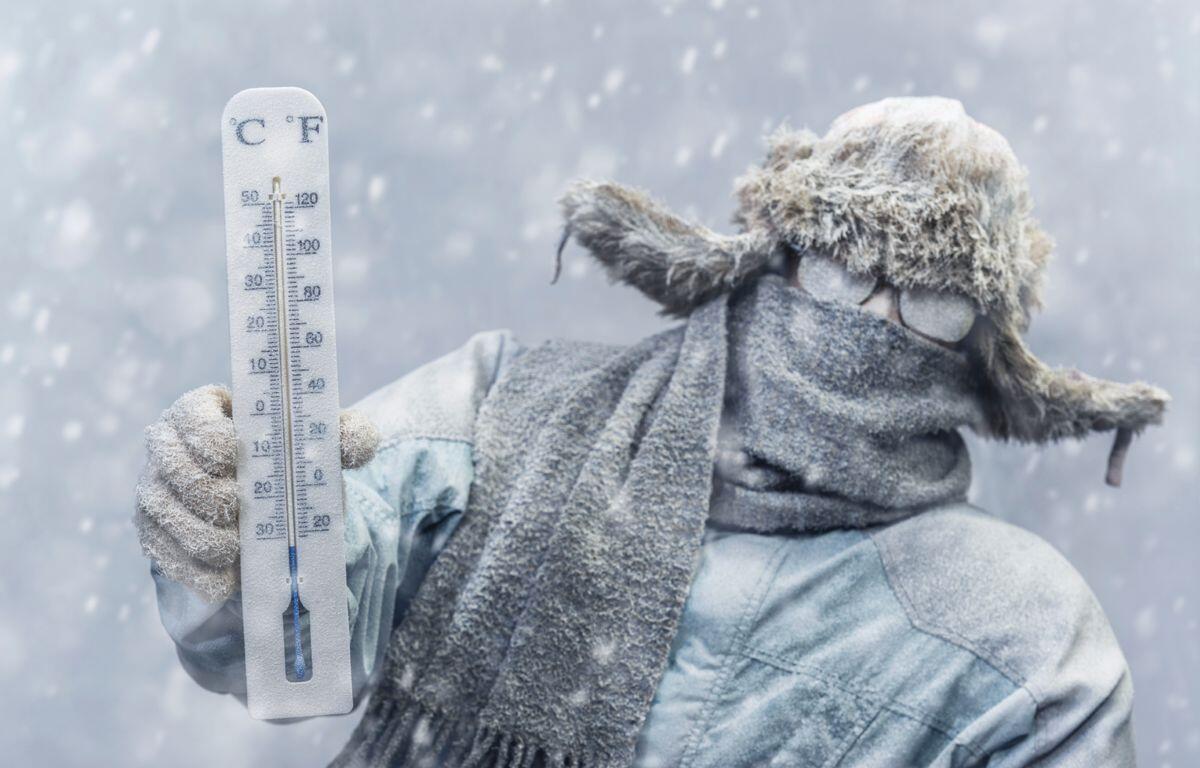

EAST-CENTRAL, Ill. (Chambana Today) — As winter temperatures plunge, health experts are warning that even short trips outdoors — like checking the mail or letting the dog out — can lead to serious cold-related injuries. According to Maddy Draper, APRN with OSF OnCall, frostnip, frostbite and hypothermia can all develop more quickly than most people expect.
Frostnip, the mildest form of cold injury, causes pink or red skin and a burning or numb sensation. Draper says symptoms typically resolve with gentle rewarming. More severe frostbite can leave skin numb, discolored and blistered. Hypothermia, which occurs when body temperature drops below 95 degrees, can cause escalating symptoms ranging from intense shivering to confusion, lethargy, memory loss and slurred speech. Without intervention, it can lead to coma or death.
These dangers aren’t limited to the outdoors. Infants can develop hypothermia inside if a room is too cold and they aren’t dressed properly for sleep. Bright red skin and reduced energy are key warning signs.
Most cases of frostbite and hypothermia require emergency treatment, where patients can be gradually rewarmed using warm blankets, heated oxygen, warm fluids or other medical methods. Frostnip, however, can be safely treated at home with slow, steady warming and removal of cold or wet clothing. Experts warn against using hot water, which can burn numb skin.
Certain groups — including older adults, outdoor workers, hunters, hikers, people experiencing homelessness and those with medical conditions that affect circulation — face higher risk. Alcohol use, drug use, smoking and becoming stranded in a vehicle during winter also increase vulnerability.
Draper recommends dressing in layers, including hats, gloves and winter boots, and avoiding tight clothing that restricts circulation. Drivers should keep emergency supplies like blankets and food in their vehicles. Staying well fed and hydrated, avoiding alcohol and caffeinated drinks, and taking regular breaks during outdoor activity can also help prevent cold-related injuries. Families are urged to monitor children closely and ensure wet clothes are promptly replaced with dry layers.
As temperatures continue to fall, Draper stresses the importance of preparation and awareness — simple steps that can prevent life-threatening winter emergencies.