


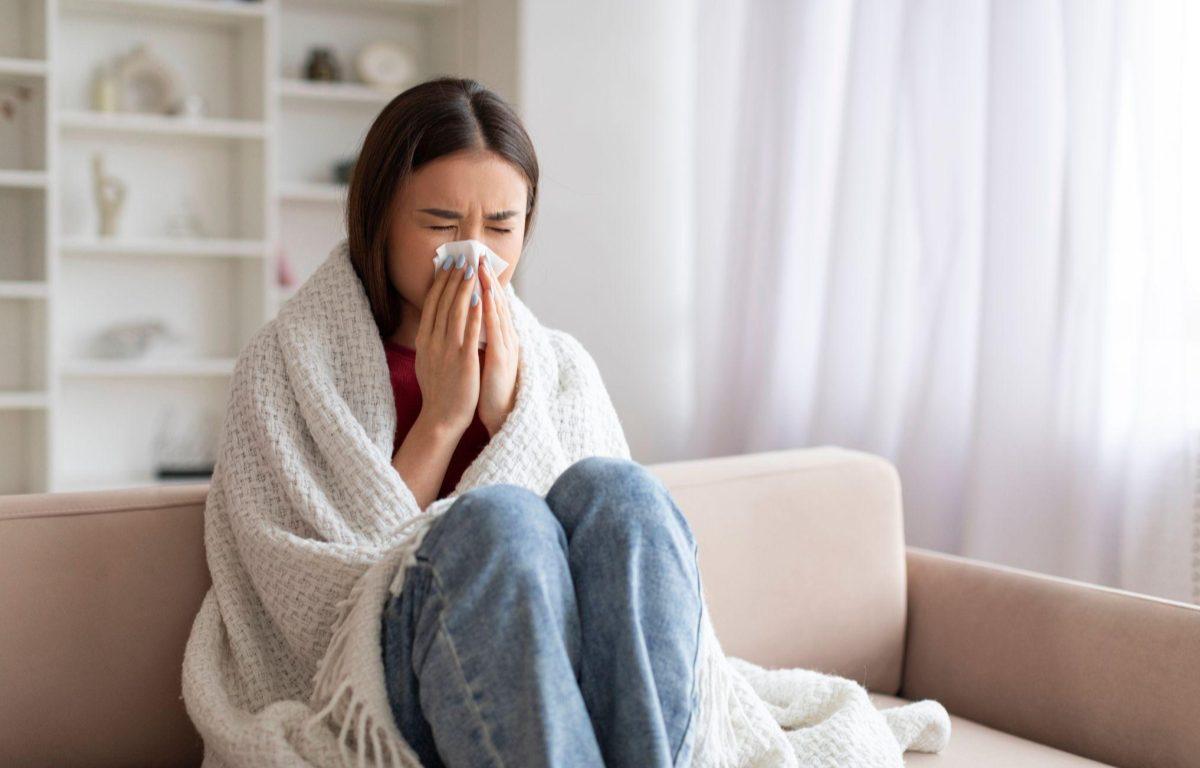

CHAMPAIGN, Ill. (Chambana Today) — The Champaign-Urbana Public Health District is reporting an increase in seasonal influenza activity across Champaign County, with activity also surging nationwide.
Residents are being advised by the Illinois Department of Public Health (IDPH) to take additional precautions to protect themselves and others. IDPH reported its first pediatric death from the flu this season, while there have been nine pediatric deaths nationally.
A new variant of influenza A H3N2, known as ‘subclade K’, emerged earlier this year and is now the dominant strain across the country. Symptoms are like those caused by the usual seasonal influenza A strains and can come suddenly.
Symptoms include:
- fever
- chills
- body aches
- headaches
- extreme fatigue
- congestion or runny nose
- coughing
- sore throat
Vomiting and diarrhea can occur, but is not typical of influenza. Stomach illness is usually the result of a gastrointestinal illness such as norovirus or food poisoning.
IDPH maintains that vaccination against flu and other seasonal respiratory illnesses remain as the most effective protection against infection for anybody six months and older. Flu and respiratory virus vaccines are available at pharmacies and health care facilities. IDPH has a vaccine locator tool for those looking for vaccines. Covering coughs and sneezes, washing hands often with soap and water, avoiding contact with the eyes, nose and mouth, wearing a mask, and avoiding close contact with other sick individuals are also recommended.
Healthy individuals usually recover from flu without complications, however, those who get sick should:
- stay home from work or school and stay away from others.
- get plenty of rest, drink liquids, and avoid using alcohol and tobacco.
- take over-the-counter medications to relieve symptoms. Please be advised that while rare, giving aspirin or Pepto Bismol to children and adolescents with flu may cause Reye’s Syndrome.
- wear a mask to prevent the spread of germs.
Certain groups are at higher risk of serious flu-related complications. This includes young children, people aged 65 and older, pregnant women, and people with certain medical conditions. The Centers for Disease Control recommends that those at increased risk contact their health care provider to get started on antiviral treatment as soon as possible.
For more information, visit IDPH’s influenza page.