


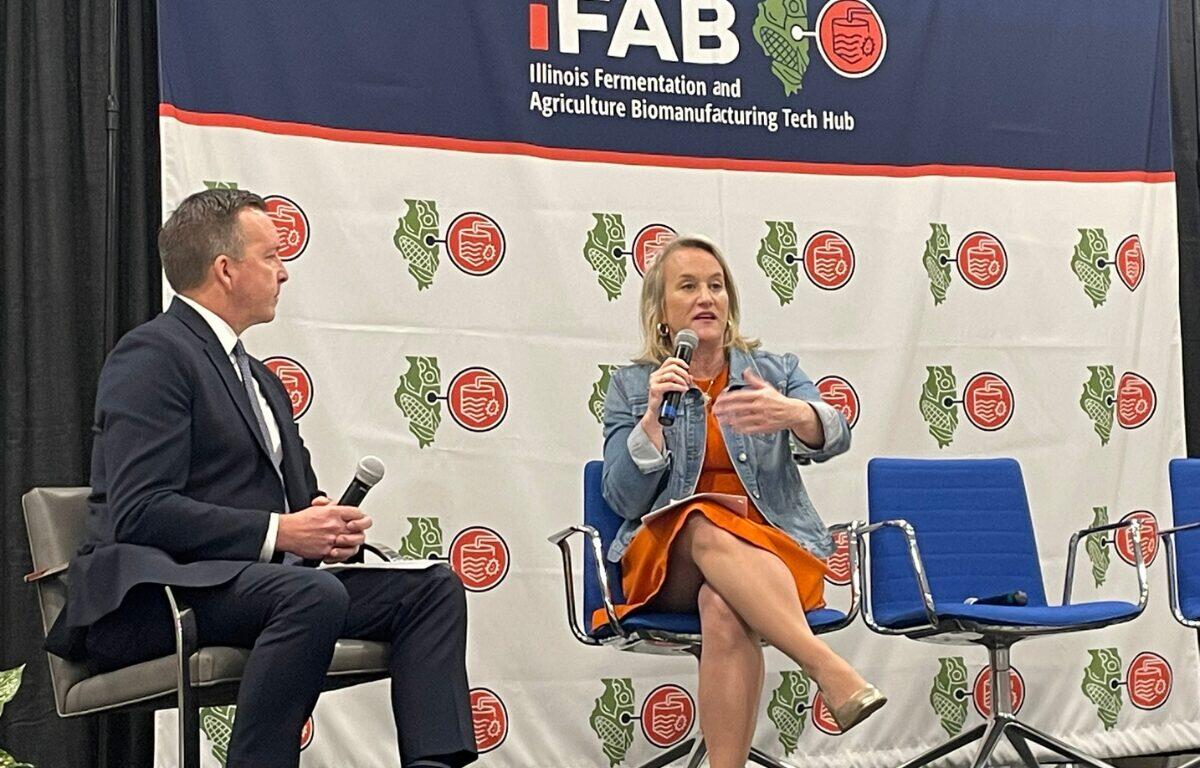

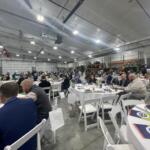
CHAMPA{IGN, IL (Chambana Today) — Congresswoman Nikki Budzinski (IL-13) and Deputy Governor Andy Manar held a fireside chat at Parkland College earlier today, showcasing Illinois’ growing leadership in biomanufacturing and its potential to boost local economies. The event, part of the 7th Annual Champaign-Urbana Ag Tech Week, highlighted opportunities for farmers, innovation hubs, and workforce development in the region.
Biomanufacturing, which transforms agricultural waste into bio-based products, offers new markets for Illinois growers, particularly corn and soybean producers struggling with tariffs and trade uncertainties. Budzinski emphasized the impact on local farmers.
“Central Illinois doesn’t often see new industries and opportunities like this. This is creating real markets for our growers, especially as corn and soybean producers face closed markets and rising costs due to trade policies. Biomanufacturing represents a way to open new markets and provide long-term economic stability for our farmers.”
The discussion also celebrated the University of Illinois’ iFAB Tech Hub, designated a national tech hub under the bipartisan CHIPS and Science Act. Budzinski played a key role in securing $41 million in federal funding to support the facility, which she said has unlocked private investment and expanded research opportunities.
“We won one of 12 out of more than 600 applications nationwide, which really speaks to the unique opportunities we have here in Central Illinois. That federal designation and funding has allowed us to leverage private investments and grow this industry locally.”
Deputy Governor Manar highlighted state support for biomanufacturing innovation, workforce development, and economic growth, noting Illinois’ role in creating good-paying jobs and supporting the bioeconomy. Budzinski added that workforce programs at local community colleges are vital for equipping young people to remain in their communities.
“I represent a district that is 70% non-college educated, and community colleges like Parkland and Richland Community College are critical for creating new career paths. These programs give young people the chance to stay in their communities and build good-paying jobs.”
The conversation also touched on alternative proteins, food security, and job creation as central benefits of biomanufacturing, with Budzinski noting, “alternative proteins and bio-based products aren’t just good for the economy—they help support food security, which is national security. This is a connection I try to make with colleagues in Washington.”
Budzinski has also spearheaded the bipartisan AgBIO Act to further expand opportunities for agricultural feedstocks in biomanufacturing and serves on the Congressional BIOTech Caucus, which guides national biotech policy and investment.
“The secret sauce to making things happen is when everyone—state, federal, universities, private sector—is on the same page and collaborating. That’s what allows opportunities like iFAB to fully flourish,” Budzinski said.