


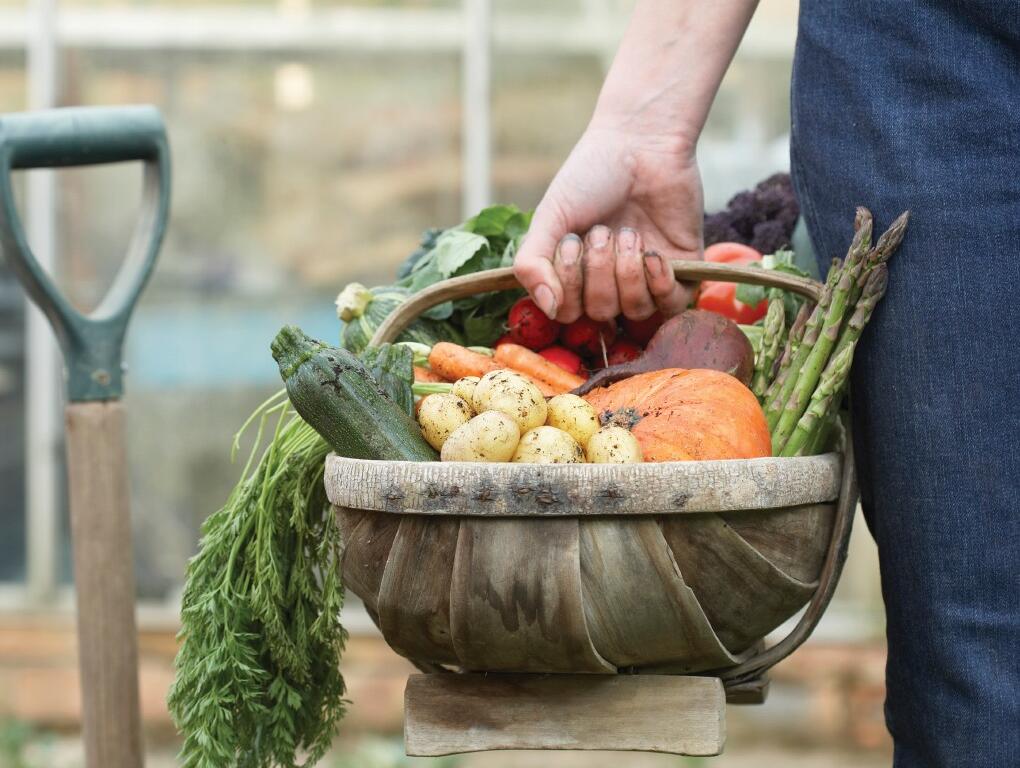

More people than ever are choosing to grow their own food this year. Whether driven by rising grocery costs, an interest in healthier eating, or the simple satisfaction of harvesting something homegrown, food gardening is seeing renewed popularity across the US, UK, and Canada. From backyard plots to patios and balconies, homeowners are finding creative ways to turn green spaces into productive gardens.
Homeowners frequently enhance their outdoor living areas with attractive plants and trees. When that greenery also produces food, the result can be both beauty and bounty. Vegetable gardens, fruit trees, and even small herb containers can provide an abundance of fresh produce throughout the growing season. Many home gardeners picture warm evenings picking vegetables straight from the garden and adding them to meals moments later.
Unfortunately, insects and animals enjoy fresh produce just as much as people do. The excitement of harvesting can quickly fade when pests arrive first. The good news is that gardeners can protect their crops using natural, chemical‑free methods that are safe for families, pets, pollinators, and the environment.
Here are several all‑natural strategies to help keep food gardens productive and pest‑resistant.
Plant gardens in raised beds or planter boxes.
Raised garden beds and planter boxes are especially popular with today’s gardeners, including those with limited space. Elevating plants helps reduce access for ground‑dwelling pests such as rabbits, gophers, groundhogs, and slugs. Raised beds also allow for better drainage, improved soil control, and easier maintenance. Container gardening—using pots, grow bags, or elevated boxes—offers similar benefits and works well on patios, decks, and balconies where pests are less likely to reach plants.
Prepare a homemade insecticide.
Simple homemade sprays can be effective against soft‑bodied insects. A commonly recommended mixture combines vegetable oil and a mild soap. Mixing one cup of oil with one tablespoon of gentle liquid soap and diluting it in water creates a spray that coats insects and disrupts their breathing. Soap‑and‑water sprays or neem oil can help manage aphids, mites, and thrips when applied carefully.
Sprinkle diatomaceous earth.
Diatomaceous earth (DE) is a natural powder made from fossilized algae. When sprinkled around the base of plants or along garden bed edges, it acts as a barrier against crawling insects. Its abrasive texture dehydrates pests on contact. DE must be reapplied after watering or rainfall to remain effective.
Give plants room to grow.
Overcrowded plants create warm, humid conditions where pests and diseases thrive. Proper spacing improves air circulation, reduces moisture buildup, and limits hiding places for insects. Healthier plants are also better able to withstand occasional pest pressure.
Use row covers or garden mesh.
Lightweight row covers and fine garden mesh create a physical barrier between crops and pests. These covers are especially useful for leafy greens, brassicas, and young seedlings. Covers should be lifted during flowering for crops that rely on pollinators.
Interplant crops.
Interplanting vegetables with herbs and flowers can confuse pests and attract beneficial insects. Strong‑scented herbs and flowering plants help create a balanced garden ecosystem that naturally limits pest populations.
Protecting food gardens doesn’t require harsh chemicals. With thoughtful planning and natural techniques, gardeners can enjoy healthy harvests while supporting a safer, more sustainable growing environment.