


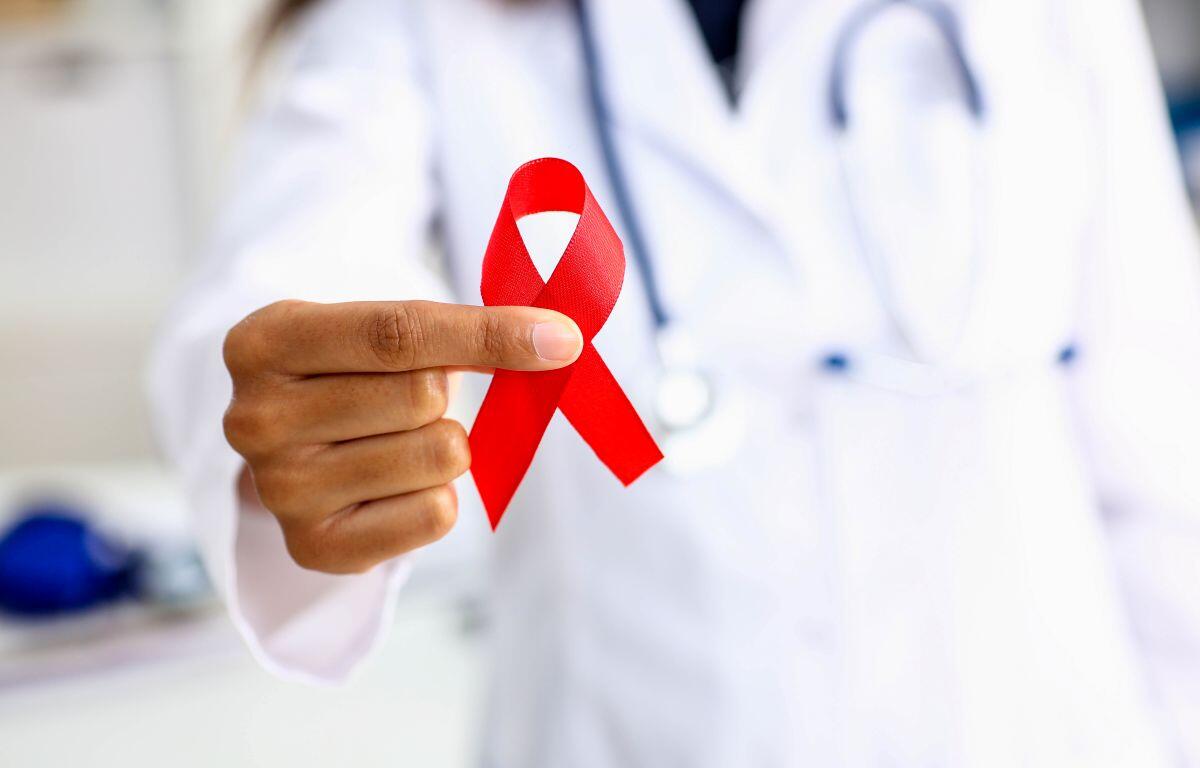

CHAMPAIGN, Ill. (Chambana Today) — As communities worldwide recognize December as AIDS Awareness Month, the Champaign-Urbana Public Health District (C-UPHD) is renewing its push for HIV education, prevention, and support. Nancy Johnson, the HIV Prevention Program Coordinator with C-UPHD, joined the public affairs program Focus to discuss the history of the epidemic, major treatment breakthroughs, and the local resources available to residents today.
Johnson oversees the district’s PrEP clinic, which provides access to medications that dramatically reduce the risk of contracting HIV. “We also do community outreach related to HIV prevention,” she said. “That includes HIV and STI testing and attending events like health fairs and Pride Fest.”
She noted that early cases of HIV in the 1980s were misunderstood, with physicians initially identifying a “strange cancer” primarily in men who have sex with men. As cases spread, particularly among patients who had received blood transfusions, researchers slowly uncovered the virus’ transmission patterns.
It wasn’t until 1987 that the first HIV treatment, AZT, became available, and significant declines in AIDS-related deaths didn’t appear until the mid-1990s, when combination antiretroviral therapy emerged. Today, people living with HIV can often manage the virus with a single daily pill — or even long-acting injections administered every two months or twice a year.
The approval of pre-exposure prophylaxis, or PrEP, in 2012 marked a turning point in prevention. “We want to find ways that people can prevent HIV that work for them,” Johnson said. CUPHD opened its PrEP clinic in 2015 and now offers assistance navigating insurance, obtaining medications, receiving required lab work, and accessing injectable treatment options.
Johnson emphasized how these advancements have transformed lives. “It’s really created a lot of freedom for people to continue to live their sexual lives without fear,” she said, noting that newer formats help individuals who struggle with daily medication, experience side effects, or lack stable housing.
C-UPHD also administers the federally funded Ryan White Program, created after the highly publicized experience of 13-year-old Indiana student Ryan White, who contracted HIV through a blood transfusion in 1984. The program provides case management, medication assistance, help with medical bills, and even housing or utility support for people living with HIV. “The goal is to keep people healthy without having to choose between rent, food, or lifesaving medication,” Johnson said.
Listen to the entire interview here: Stream episode Focus – CUPHD AIDS AWARENESS & PROGRAMS by Illini Media Group podcast | Listen online for free on SoundCloud
Another major component of C-UPHD’s work is Sister to Sister, a program aimed at empowering Black and Latina women — groups that experience disproportionately high rates of new HIV infections. The one-hour intervention focuses on education, condom negotiation skills, and awareness of PrEP availability. “It’s about giving women the power to take control of their health,” Johnson said.
Johnson also highlighted the importance of the concept U = U, or undetectable equals untransmittable, which means individuals with an undetectable viral load cannot sexually transmit HIV. This, she said, further reduces stigma and reinforces the value of consistent treatment.
As the community reflects on AIDS Awareness Month, Johnson hopes residents focus on education, compassion, and normalizing conversations around sexual health. “There is still a lot of stigma,” she said. “The more people are open about testing and prevention, the more the community will understand that it’s not something to be ashamed of.”
For more information on C-UPHD testing services, PrEP, the Ryan White Program, or Sister to Sister, residents can visit the district’s website or contact the Teen and Adult Services Department.