



URBANA, IL (Chambana Today) — Last night, volunteers in Champaign County conducted the annual Point-in-Time (PIT) count of people experiencing homelessness, identifying a total of 355 individuals, an increase of 76 from 2024. The count, organized by the Champaign County Continuum of Service Providers to the Homeless (CSPH), is a vital tool for local agencies to track trends and plan services for those without stable housing.
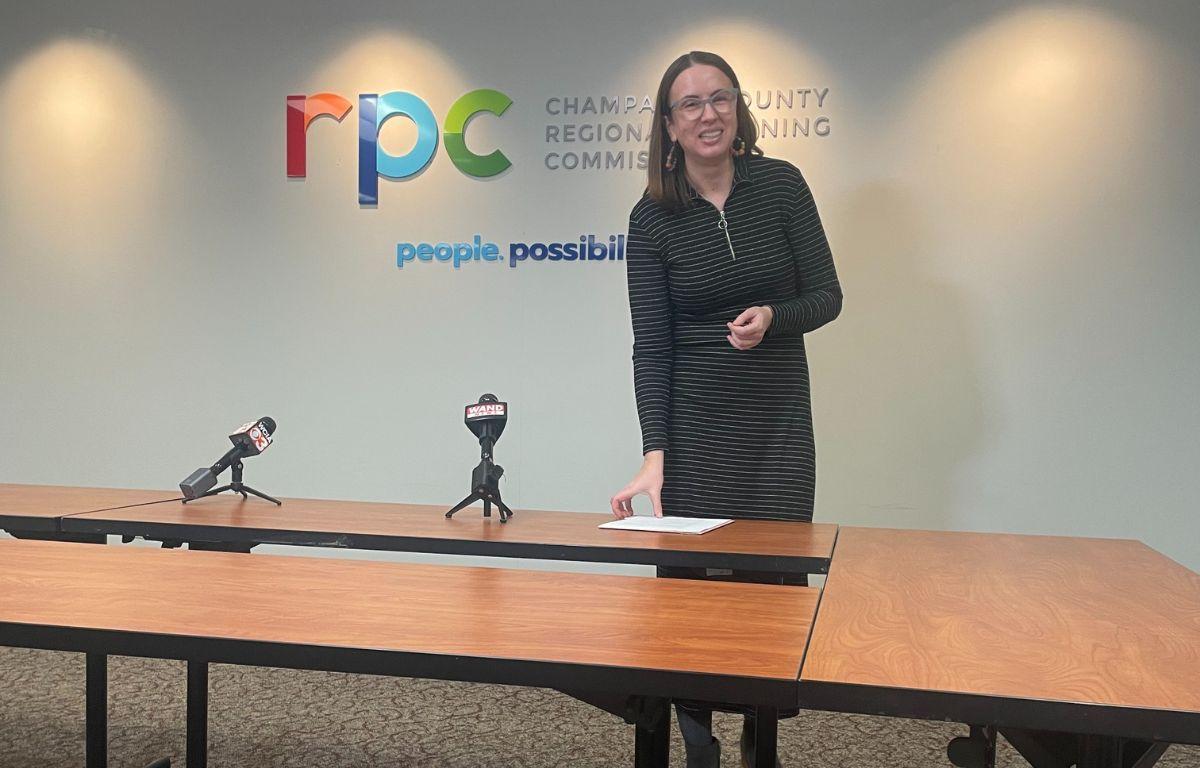
Katie Harmon, Continuum of Care Coordinator for CSPH, explained the importance of the count. “The Point-in-Time count gives us a clearer picture of who in our community is experiencing homelessness,” Harmon said. “It allows us to connect people with resources immediately, and it also informs long-term planning for shelters, transitional housing, and other critical services.”
Key statistics from the 2026 PIT count:
-
Total homeless individuals identified: 355
-
Sheltered in emergency shelters: 169
-
In transitional housing programs: 130
-
Unsheltered (living outdoors, in cars, or other spaces not meant for habitation): 56
-
Children under 18 experiencing homelessness: 75, up from 64 in 2024
Harmon noted that the count goes beyond just numbers. “When our volunteers go out, they’re talking with people, listening to their stories, and connecting them with support if needed,” she said. “Everyone we survey gets a small gift card and information about local shelters. For some, it may be the first time they feel seen or supported in a long time.”
The PIT count also provides critical data used by the federal government and the state of Illinois to allocate funding for homeless services. “Congress and the Department of Housing and Urban Development look at these numbers to determine where resources are most needed,” Harmon said.
Volunteers were divided into teams to cover different geographic areas in Urbana and Champaign. Harmon said the effort relies heavily on community involvement. “We had about 40 volunteers last night from social service agencies, local businesses, and the University of Illinois,” she said. “The turnout every year shows how much our community cares about addressing homelessness.”
Additional insights from the 2026 count:
-
Volunteers distributed care packages with socks, hats, gloves, hand warmers, and snacks.
-
The increase in children experiencing homelessness highlights ongoing gaps in family housing.
-
The count helps local stakeholders plan for expanded emergency and transitional shelter capacity.
Harmon emphasized the broader purpose of the PIT count. “Homelessness is not a moral failure — it’s a housing need,” she said. “Everyone deserves a safe and stable place to live. This count helps us understand the scale of the need and take steps to fill the gaps.”
The data collected last night will be compiled over the coming months, then shared with the public, local agencies, and policymakers to guide future strategies. CSPH also plans to use this information in its upcoming strategic planning process, which will involve focus groups with community stakeholders and individuals with lived experience of homelessness.
“The goal is not just to count, but to plan and improve services so that fewer people experience homelessness in the first place,” Harmon said. “The community’s engagement and volunteerism are what make that possible.”