


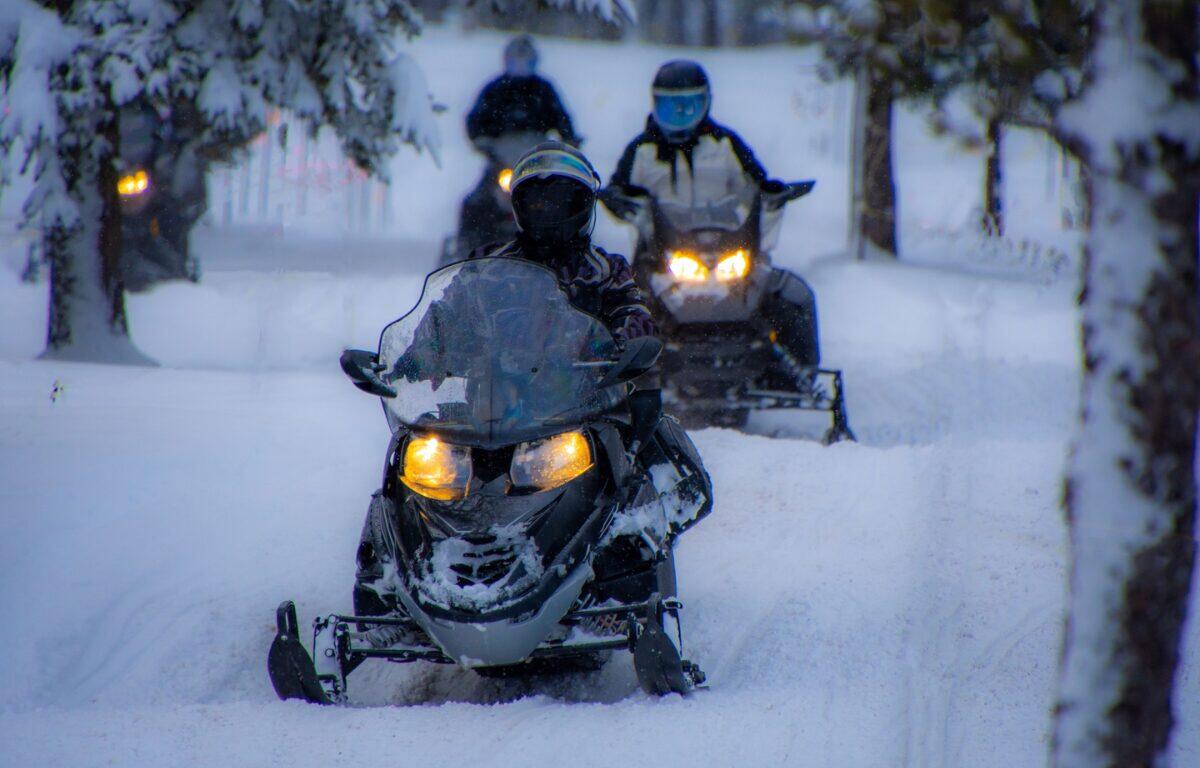

CHAMPAIGN, Ill. (Chambana Today) — Doctor John Bednar hasn’t ridden a snowmobile in years, but as an emergency room physician with OSF HealthCare, he regularly treats the aftermath of multiple snowmobile crashes.
The National Institutes of Health says that snowmobiling is the cause of about 14 thousand injuries and nearly 200 deaths every year. Excess speed, alcohol consumption, inexperience, and poor judgment are the leading causes.
Bednar says that injuries can range from minor sprains to severe trauma similar to damage from motorcycle crashes, including damage to the brain, spine, and neck.
“Snowmobile crashes can be absolutely horrendous, life threatening and such a tragedy if you have an unexpected accident, like we see every year,” he says. “Deaths, severe spinal injuries, pelvic fractures, multiple broken bones that can be devastating, devastating injuries and totally unexpected when you’re out there to have fun.”
Alcohol and drug use pose the greatest risk.
“I’ve seen very few snowmobile accidents that did not have some sort of intoxication involved or other preventive kind of reckless behavior,” says Dr. Bednar. “Intoxication, number one, by far, seems to be most involved in the crashes I’ve seen over the decades.”
Another major factor is unfamiliar terrain, especially for riders traveling outside their home area.
“Know your trail and stay on your trail,” Dr. Bednar says. “If it’s a well-known, well-marked trail, then you’re much less likely to hit a stump, hit a rock, get off course, hit the tree, because that’s when we see the crashes. When they don’t know their trail, they use excessive speed, or they get off course, that’s when they hit the tree or the rock, and those things don’t like moving, and our heads don’t like sudden stops.”
Dr. Bednar also stresses slowing down, especially at night, and wearing proper protective gear. Helmets, pads and supportive footwear can prevent serious injuries and protect against cold exposure.
“Most snowmobilers have great gear, including their helmets,” says Dr. Bednar. “But if you are going to go on ice, if you think it is safe ice, please consider wearing a life vest underneath your gear. We’ve seen multiple tragedies on thin ice.”
Safety experts also recommend checking weather conditions, riding with a buddy, carrying emergency equipment and communication devices, and letting others know your plans before heading out.