



CHAMPAIGN COUNTY, Ill. (Chambana Today) — With winter weather forecasted to bring extremely cold temperatures and the potential for accumulating snow to Champaign County, local officials are encouraging residents to prepare in advance to stay safe and reduce disruptions.
Prolonged cold and snowfall can impact road conditions, power service, and access to essential resources. Emergency management officials urge residents to monitor forecasts closely and adjust travel plans as conditions change.
Preparing homes for winter weather
Residents are advised to ensure heating systems are in good working order before temperatures drop. Sealing drafts, insulating exposed pipes, and allowing faucets to drip during extreme cold can help prevent frozen or burst pipes.
Power outages are more likely during winter storms, particularly when snow and ice accumulate on trees and power lines. Those who rely on electrically powered medical equipment should confirm backup power plans and identify warming locations if needed.
Food and essentials to have on hand during winter weather
Emergency officials recommend keeping several days’ worth of food, water, and household essentials available in case travel becomes difficult or power outages occur.
Food (no or low cooking required):
- Canned soups, vegetables, beans, and meats
- Ready-to-eat meals or shelf-stable microwave meals
- Peanut butter or other nut butters
- Crackers, cereal, granola bars, and trail mix
- Shelf-stable milk or milk alternatives
- Dried fruit and nuts
- Baby food or formula, if needed
- Pet food
Residents are also encouraged to keep a manual can opener on hand.
Water and beverages:
- Bottled drinking water (about one gallon per person per day)
- Juice or shelf-stable beverages
- Coffee or tea, if part of a daily routine
Health and personal essentials:
- Prescription medications and refills
- Over-the-counter pain relievers and cold medications
- First-aid kit
- Personal hygiene items, including toilet paper, soap, and hand sanitizer
- Extra glasses or contact lens supplies
Power and heating supplies:
- Flashlights or battery-powered lanterns
- Extra batteries
- Portable phone chargers or power banks
- Blankets, warm clothing, hats, and gloves
- Safe alternative heat sources, if available
Officials stress never to use grills, generators, or fuel-burning heaters indoors due to the risk of carbon monoxide poisoning.
Household and safety items:
- Ice melt or sand
- Snow shovels
- Paper towels and trash bags
- Moist towelettes or disinfecting wipes
- Important documents stored in a waterproof container
Road and travel safety
The Illinois Department of Transportation advises avoiding unnecessary travel during snow and ice, especially while crews are treating and plowing roads. Drivers who must travel should check tire tread, windshield wipers, antifreeze levels, and vehicle batteries before winter weather arrives.
Emergency kits in vehicles should include a shovel, ice scraper, jumper cables, warm clothing, food, water, and a charged cellphone.
Protecting health during extreme cold
Cold temperatures increase the risk of hypothermia and frostbite, especially for older adults, young children, and those with chronic health conditions. Residents are encouraged to dress in warm layers, cover exposed skin, and limit time outdoors.
Checking on neighbors — particularly older adults and those living alone — is strongly encouraged during prolonged cold spells. Pet owners should also ensure animals have adequate shelter and are not left outside for extended periods.
Snow removal and injury prevention
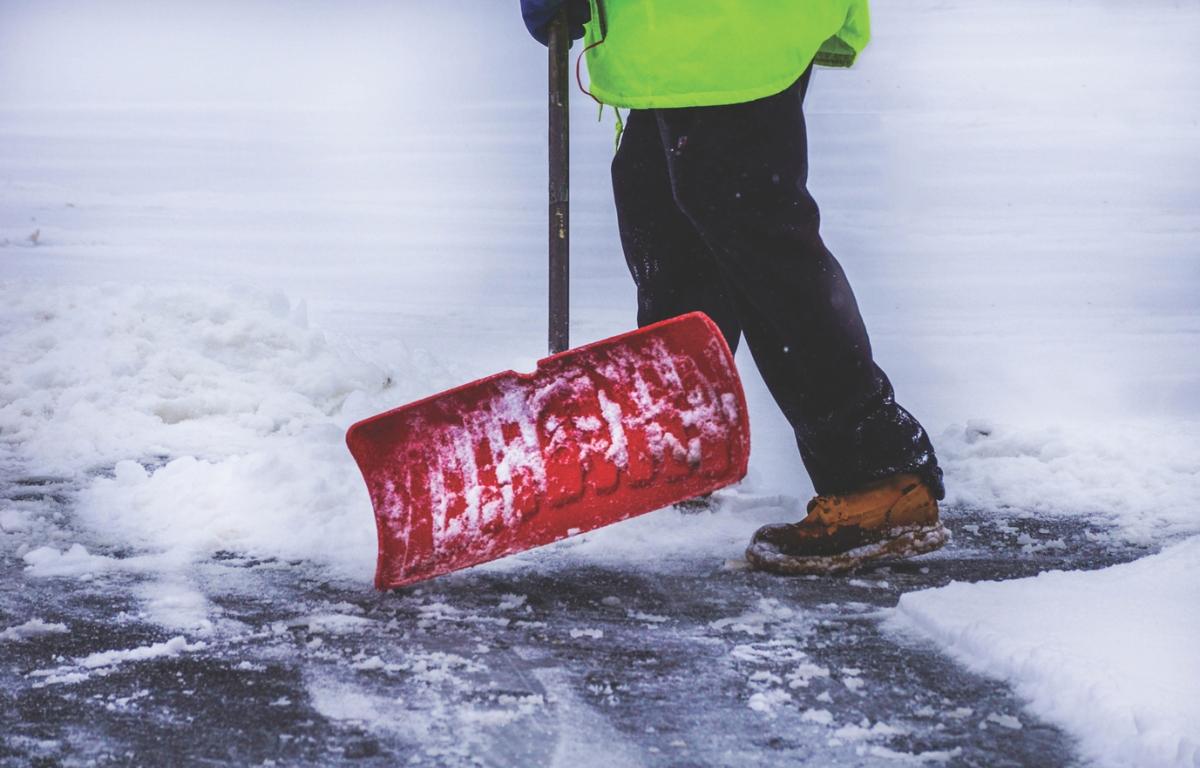
Shoveling snow can pose serious health risks. Officials advise taking frequent breaks, lifting with the legs rather than the back, and avoiding overexertion. Those with heart conditions or mobility concerns are encouraged to seek help when possible.
Property owners are reminded to clear sidewalks and entrances when feasible and to keep fire hydrants accessible for emergency responders.
Local officials say preparing ahead of time can reduce strain on first responders and help Champaign County recover more quickly following winter storms. Residents are encouraged to stay informed through local alerts and weather updates as conditions evolve.