



CHICAGO, IL (Chambana Today) — The Illinois Task Force on Black Immigrants has formally released a comprehensive report outlining recommendations to address barriers facing nearly 85,000 Black immigrants living in the state.
The task force, housed within the Illinois Department of Human Rights, was convened in response to a joint resolution of the Illinois House of Representatives. Its charge was to study the social, economic and legal conditions affecting Black immigrants in Illinois and propose actionable policy solutions.
The report includes a population analysis and recommendations across seven key areas: language access, culturally competent services, healthcare and mental health, affordable housing, law enforcement, inclusion and intersectional identity, and data collection.
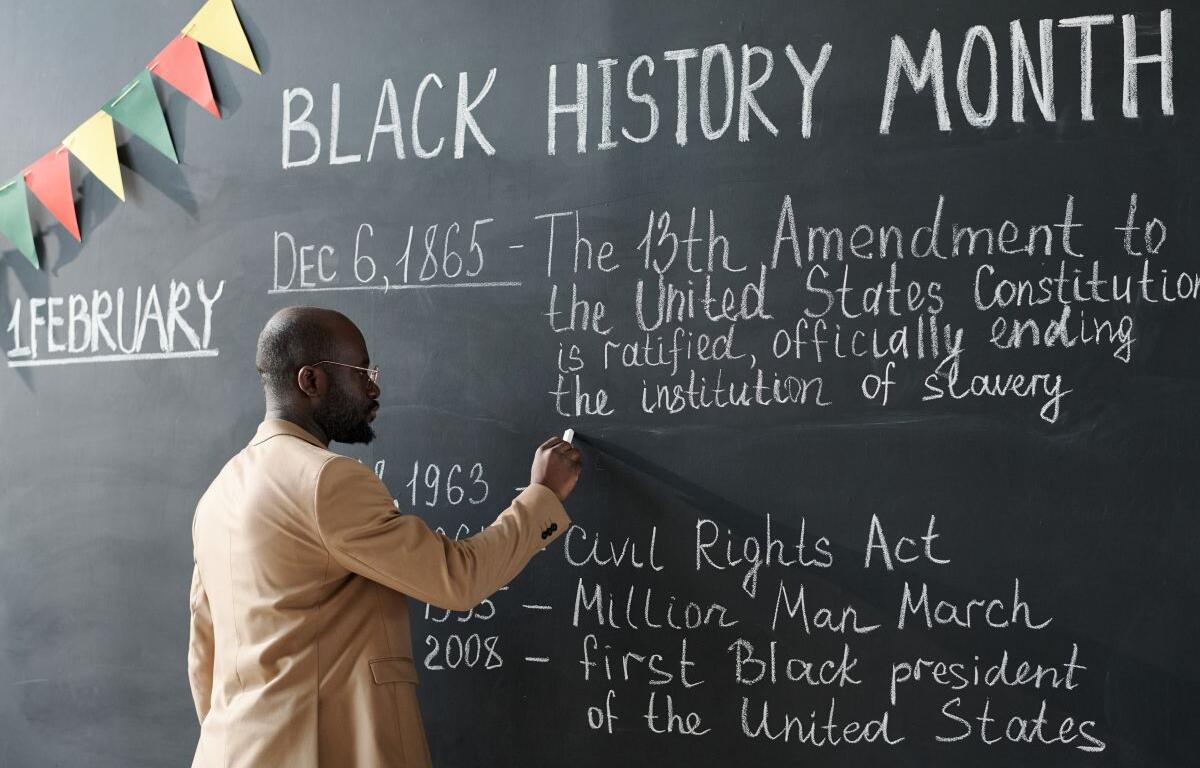
The findings were highlighted during a public event hosted by RefugeeOne during Black History Month. The panel discussion was moderated by Isabella Hurtado, director of the Governor’s Office of New Americans, and included state and community leaders.
“We are in a moment where immigrants of all backgrounds are facing heightened hostility and fear and Black immigrants often stand at the intersection of both anti-immigrant and anti-Black sentiment,” said Isabella Hurtado, Director of the Governor’s Office of New Americans. “This report reflects the lived experiences and contributions of Black immigrants in Illinois, which is a community whose voices have too often been left out of policy conversations.”
Illinois State Rep. Sonya Harper, a co-chair of the task force, emphasized the urgency of the recommendations.
“From language access and credential recognition to discrimination in housing and employment, Black immigrants navigate barriers that are too often invisible in policy conversations but are deeply felt in everyday life,” Harper said. “At a time when national rhetoric is dehumanizing immigrant communities, this report insists on dignity, data, and action.”
Officials said the report draws from community testimony, stakeholder engagement and data analysis gathered during quarterly meetings throughout 2025. The full report is available on the Illinois Department of Human Rights website.