



URBANA, IL (Chambana Today) — An ingrown toenail might seem like a minor nuisance, but left untreated, it can turn into a serious problem — especially for people with diabetes. Marc Leonard, DPM, a podiatrist at OSF HealthCare, says the condition is one he sees frequently, and in most cases, it’s preventable.
Ingrown toenails occur when the nail grows into the surrounding skin. Some people are more prone to them due to genetics, but lifestyle factors play a role too.
“Bicyclists wear very tight shoes. The person is getting extra pressure on the side of the toes. It can definitely contribute to ingrown nails,” Dr. Leonard said.
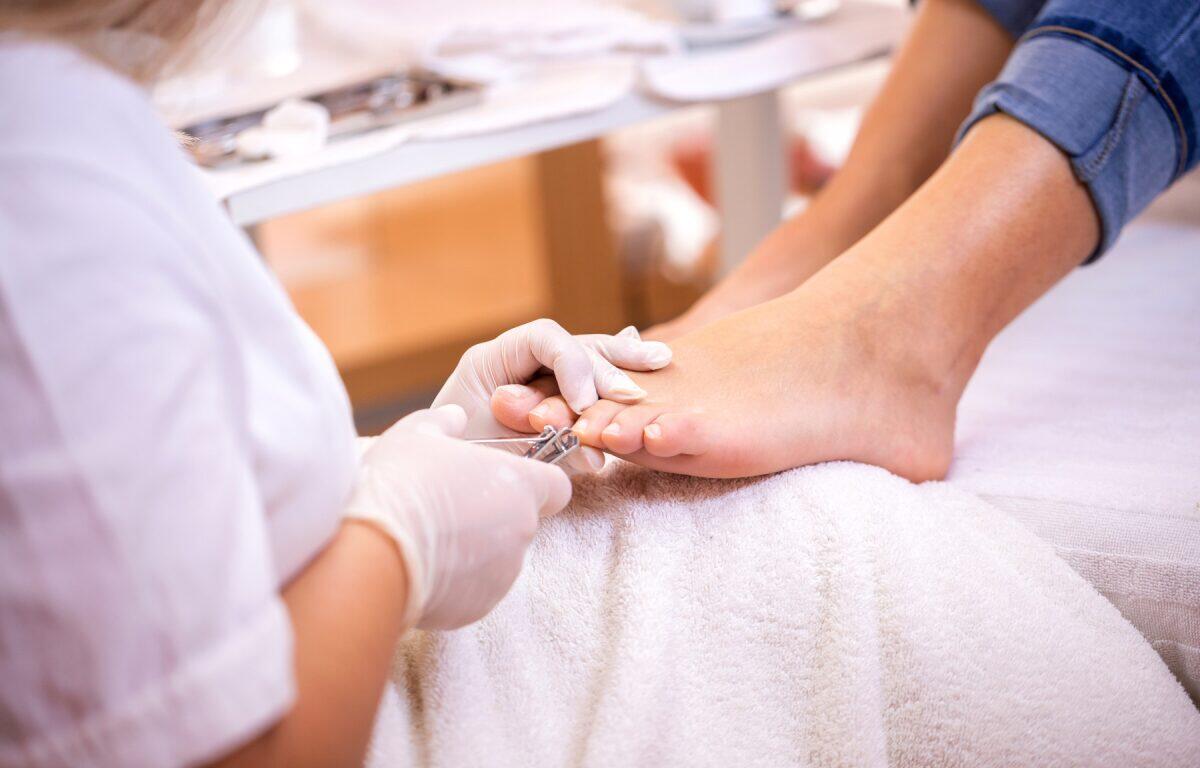
Clipping toenails too short or at an angle is another common cause. Dr. Leonard recommends trimming straight across with a straight-bladed clipper, not a curved one.
For people with diabetes, an ingrown toenail can escalate quickly. “If their blood sugar is not under control, the infections from ingrown nails can get severe quickly,” he said. “Sometimes there can also be circulation problems with diabetics.”
Treatment depends on severity. In mild cases, a podiatrist may simply trim the side of the nail. More serious cases may require numbing the toe and removing a portion of the nail, along with antibiotics. For chronic sufferers, a permanent solution exists.
“We’ll actually kill the side of the nail,” Dr. Leonard said. “We’ll put a chemical in the base of the toe to kill the root. That eliminates growth of the nail on the side.”
Recovery from any ingrown nail treatment involves rest and soaking the toe in warm water, with most patients returning to normal activities fairly quickly.
As for how often to trim: Dr. Leonard suggests once a month or every couple of weeks for most people. Those with a history of ingrown toenails should consult a podiatrist for personalized guidance.Learn more about foot and toe care at osfhealthcare.org.