


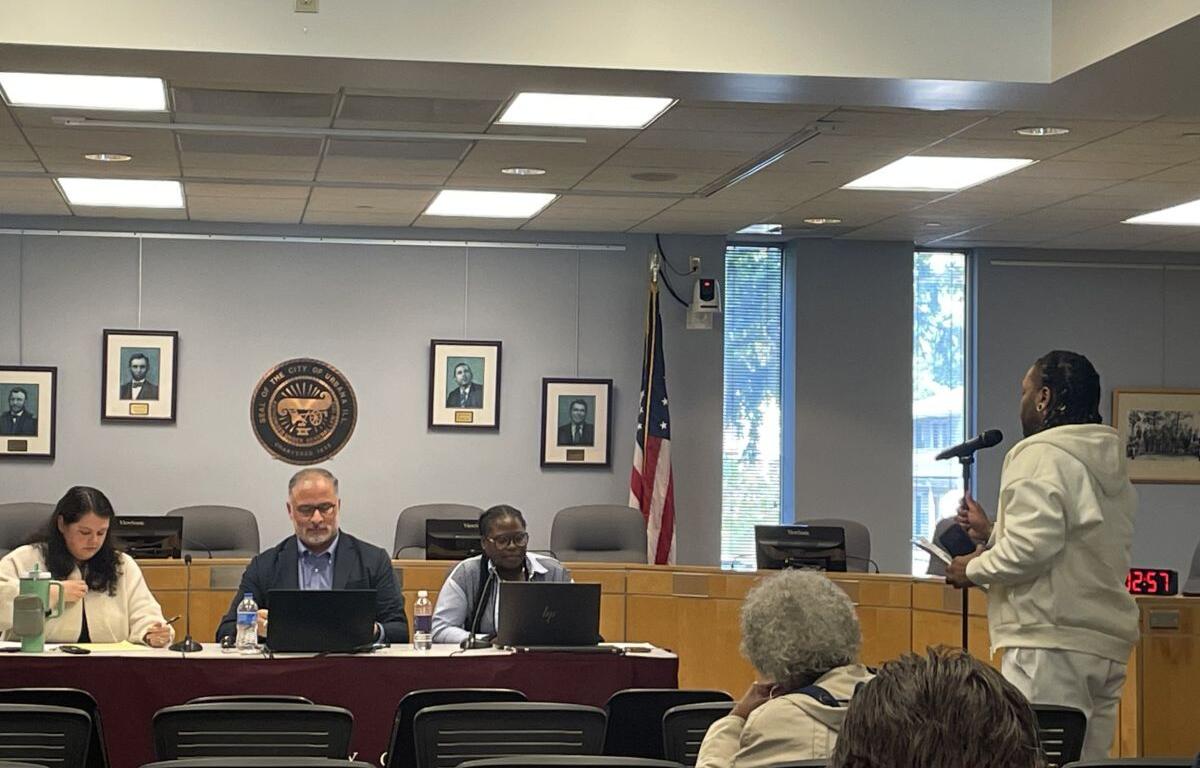

URBANA, IL (Chambana Today) — City officials and community members gathered to hear an update on efforts to create an alternative response program that would send unarmed, trained professionals to certain low-risk 911 calls.
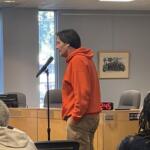
Deonte Martin, a representative of the nonprofit Law Enforcement Action Partnership (LEAP), presented the progress of the city’s Alternative Response Task Force, which has held six meetings so far and plans two more this summer. The group is working to design a program tailored to Urbana’s needs, with input from residents and local stakeholders.
The proposed model would dispatch civilian responders — rather than police — to situations involving mental health crises, substance use, homelessness, and nonviolent disputes. Martin said similar programs are already operating in dozens of cities nationwide and have diverted more than 200,000 calls from police annually without reported injuries to responders.
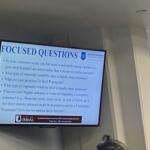
“We’re here to present what we’ve been doing and, most importantly, to gather feedback from the community,” Martin said.
Using a year’s worth of 911 data from METCAD, the region’s dispatch center, LEAP analyzed call narratives to better understand why residents seek emergency services. The findings show that a majority of eligible calls — about 58% — involve conflict resolution, such as disputes between neighbors or family members. Mental health-related calls account for nearly 18%, followed by service-related needs like housing or food assistance.
Martin emphasized that reviewing call narratives — rather than just call categories — provides a more accurate picture of what’s happening in the field.
“Sometimes the label doesn’t match the reality,” he said. “We want to make sure we’re designing a response that actually fits the situation.”
Examples of calls that could be diverted include welfare checks, noise complaints, panhandling concerns, and nonviolent disputes. Calls involving weapons, active violence, or medical emergencies would remain the responsibility of police, fire, or EMS.
Residents at the meeting raised questions about response times, coordination with existing emergency systems, and whether alternative responders would be dispatched through 911 or a separate number. Martin said most programs operate through existing 911 systems, though some cities also offer dedicated lines.
Local officials voiced both support and concern. Cunningham Township Supervisor Danielle Chynoweth highlighted the need for non-police responses, noting her office handles up to 2,000 service calls per month, many involving vulnerable populations.
“This is a long time coming for Urbana,” she said. “People want an option that isn’t necessarily police.”
Others stressed the importance of ensuring adequate resources are available beyond the initial response. “Response is just one piece,” Chynoweth said. “We need to make sure there are services to connect people to.”
City Council member Chris Evans pointed to the financial realities of launching such a program, warning that staffing, equipment, and operations would require significant investment.
“If we really want this, it’s going to have real costs,” Evans said. “We have to decide what we’re willing to pay for.”
Task force members said coordination with METCAD and other agencies, including police and the University of Illinois, will be critical to the program’s success. Draft recommendations are expected after community feedback is collected and analyzed.
The meeting concluded with officials encouraging residents to continue sharing input as the city works toward a final plan. “We want to build something that reflects Urbana,” Martin said. “And that only happens with your voices.”